
 ChatGPT
 Claude
 Gemini
 Grok
If you want to run ChatGPT ads, your landing pages need to be reachable by OpenAI's ad crawler. That sounds like a small technical detail. It is not. It can decide whether a campaign gets reviewed, whether the page is understood, and whether the ad can match the right kind of conversation.
This became a sharper business issue after OpenAI updated its ChatGPT ads launch page on August 11, 2026, saying ads had launched in the United Kingdom, Mexico, Brazil, Japan, and South Korea, with more markets planned. OpenAI's advertiser crawler guidance says OAI-AdsBot is required for ChatGPT ad landing-page validation and review. It also recommends allowing OAI-SearchBot so OpenAI can better understand public web content.
That does not mean letting every bot crawl everything. It means your team needs a deliberate access rule. A blocked crawler can make a good campaign look broken, while a sloppy allow rule can create security and compliance risk.
ChatGPT ads make crawlability a revenue issue
OpenAI's Ads in ChatGPT basics page says ads can consider the current conversation, the ad's landing page, title, copy, advertiser context hints, and some personalization signals when enabled. The same page says ads appear below ChatGPT responses and include a landing page, headline, copy, image asset, favicon, and advertiser name.
The practical reading is simple: your landing page is not only the post-click destination. It is part of the ad matching and review surface. If the page is blocked by robots.txt, a firewall, a CAPTCHA, a JavaScript challenge, authentication, a geo rule, or rate limiting, the ad system may not see enough to validate or understand it.
That matters even more because OpenAI is moving beyond a tiny pilot. Its May 2026 post on new ways to buy ChatGPT ads described beta self-serve Ads Manager, CPC bidding, and expanded measurement. This is becoming an operating channel, not a curiosity.
Crawler or layer | What it affects | What to verify |
OAI-AdsBot | Landing-page validation, policy review, and ad readiness for ChatGPT ads. | Successful HTTP response, allowed robots.txt path, no blocked WAF, CAPTCHA, auth, geo, or rate-limit layer. |
OAI-SearchBot | Public web understanding that may help OpenAI understand content beyond paid ad review. | Allowed where public content should be understood, without assuming this guarantees organic ChatGPT visibility. |
Landing-page content | Relevance matching, trust checks, user expectations, and post-click conversion. | Clear offer, current price or scope, location limits, proof, policy consistency, and working tracking parameters. |
Security stack | The hidden failure point between a submitted ad and a reachable page. | CDN, bot rules, firewall events, 403s, 429s, JavaScript checks, login walls, redirects, and regional blocking. |
Do not confuse ads review with AI search ranking
Here is the trap: marketers will hear "allow OpenAI crawlers" and assume it is a shortcut to ranking in ChatGPT answers. That is weak thinking. OpenAI says ads do not influence ChatGPT answers. Ads are paid placements, visually separate from the response. OAI-AdsBot access is required for ad validation. It is not a promise that your brand will be recommended organically.
OpenAI's ad policies also make landing pages part of the policy surface. The ad and landing page need to be consistent end to end. If your creative promises one thing and the page introduces a restricted claim, unclear affiliation, unsupported result, or different product category, crawlability will not save you.
Think in layers. OAI-AdsBot access helps the ad system review the destination. OAI-SearchBot access can help public content be understood. GPTBot and other training-related controls are separate. Your robots rules should say what each bot can access and why. One blanket block or blanket allow is usually lazy.
💡Read tip: How to benchmark AI visibility against competitors
What businesses should fix before submitting ChatGPT ads
Start with one high-value campaign path. Do not audit the whole site first. Most teams waste time because they try to make every page perfect before proving that the key landing page can be reached, understood, and trusted.
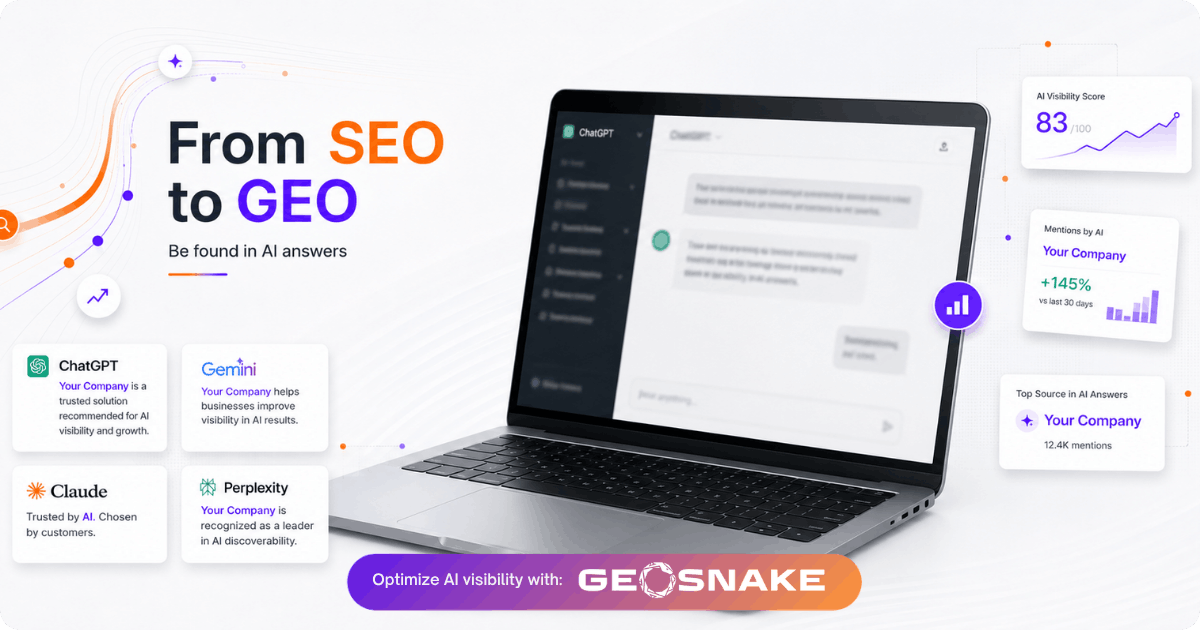
Run a GeoSnake free business scan before you launch paid tests. You need to know what ChatGPT, Claude, Gemini, and Perplexity already understand about your brand, which competitors they mention, and whether your public offer matches the page you plan to advertise. Paid visibility is not a replacement for organic AI visibility. It is another channel that punishes unclear facts.
Check robots.txt by user agent. Allow OAI-AdsBot on the exact landing-page path. Allow OAI-SearchBot where the public page should help OpenAI understand your offer. Keep private, logged-in, and irrelevant paths restricted.
Test the real HTTP path. Confirm the final URL returns a successful response without forcing login, app install, region lock, cookie wall, JavaScript challenge, or unsupported redirect.
Read your security logs. Look for 403, 429, CAPTCHA, WAF, CDN, bot mitigation, and rate-limit events around crawler visits. If Cloudflare or another provider blocks the crawler, fix that before rewriting ad copy.
Make the page easy to extract. State the offer, price context, service area, eligibility, proof, exclusions, update date, and next action in visible text. Do not hide key facts in images, scripts, PDFs, or vague brand copy.
Keep the ad and page consistent. Match the headline, landing page, claims, category, eligibility, and compliance language. If the page introduces a restricted claim or a different product, expect review friction.
The page does not need to become ugly. It needs to become clear. If a crawler, reviewer, and human buyer can all identify the same offer, the same limits, and the same next step, you have reduced the easiest failure points.
Measure ads and organic AI visibility separately
The biggest blind spot is mixing paid ChatGPT ad data with organic AI search visibility. Impressions, clicks, CPC, conversions, and UTM traffic can tell you whether an ad campaign worked. They do not tell you whether ChatGPT, Claude, Gemini, or Perplexity recommend your brand when no ad appears.
Use GeoSnake to separate the two. The weekly baseline should track prompts, model, market, mention, recommendation order, cited sources, competitor presence, factual errors, and page accessibility. For the routine, read How marketers track AI visibility weekly. Keep paid campaign metrics in a separate column so you do not mistake bought exposure for earned AI trust.
💡Related: How long does AI search take to find a new page?
The smart move is boring: make the page crawlable, make the claim defensible, measure the ad path, and keep testing organic prompts across models. If your landing page cannot pass that basic test, the problem is not ChatGPT. The problem is that your website is asking a machine and a buyer to work too hard.
Start with GeoSnake's AI visibility scan to see where your brand appears before you buy traffic. Then use the same evidence map to decide which landing pages deserve ChatGPT ad spend and which pages need crawlability, proof, or positioning fixes first.
FAQs
Is OAI-AdsBot required for ChatGPT ads?
Yes. OpenAI says OAI-AdsBot is required for ChatGPT Ads landing-page validation and review. If that crawler cannot reach the landing page, fix access before assuming the ad itself is the problem.
Will allowing OAI-SearchBot make my business rank in ChatGPT answers?
No guarantee. OpenAI recommends allowing OAI-SearchBot because it may help OpenAI understand public web content. That is different from a paid ad review and different from a promise of organic recommendation.
What should I check first if ChatGPT ad review fails?
Check the final landing-page URL, robots.txt, HTTP status, WAF or CDN rules, CAPTCHA, JavaScript challenges, authentication, geo blocks, and rate limits. Then confirm the page content matches the ad claim and category.