
 ChatGPT
 Claude
 Gemini
 Grok
People still find gyms, fitness apps, equipment, and coaching through search, social media, creators, marketplaces, friends, and referrals. Some now ask AI assistants to narrow the field first. They may ask for a beginner strength programme, a quiet gym in Amsterdam with coaching, or a membership that fits a busy schedule. An answer can frame the options before a prospective member checks your timetable, facilities, or terms.
Generative Engine Optimization, or GEO, is the work of making a fitness business easier to understand and accurately describe in AI-generated answers. It does not guarantee that a model will recommend your gym. Google’s guidance says its AI search experiences use existing Search systems, and eligibility does not guarantee selection. OpenAI says public sites can appear in ChatGPT search and publishers should allow OAI-SearchBot to crawl pages they want included in summaries and links. See Google’s guide to AI features in Search and OpenAI’s publisher FAQ.
Start with the GEO for fitness brands page and run a free business scan to establish how your gym or fitness brand appears in AI answers.
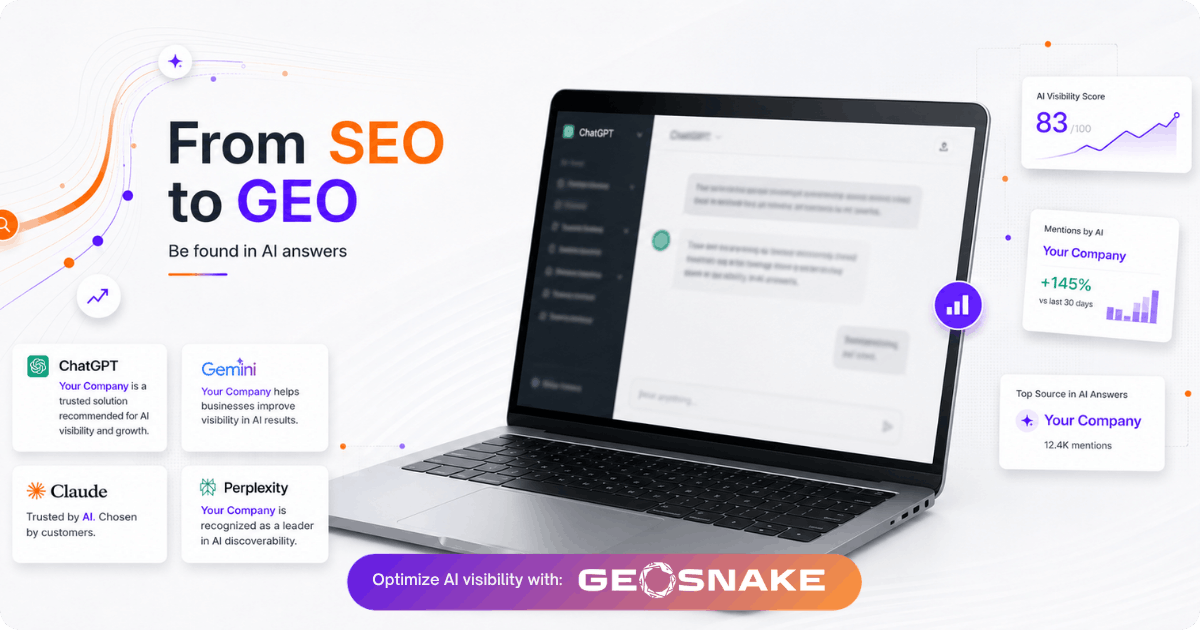
SEO and GEO influence different stages of fitness discovery
Traditional SEO helps location, class, programme, and product pages earn search visibility. GEO adds a fit question: can an AI answer explain which audience your offer serves, what the experience includes, and whether it matches the customer’s stated needs?
A practical comparison
Area | Traditional fitness SEO | GEO for gyms and fitness brands |
Primary goal | Earn relevant rankings and visits | Earn accurate mentions in relevant AI answers |
Typical question | Gym near me | Which gym has beginner strength coaching near Amsterdam Zuid? |
Useful signals | Location, technical health, reviews, useful pages | Audience fit, expertise, schedule, facilities, clear terms |
Measurement | Rankings, traffic, trials, membership sales | Mentions, framing, sources, competitor overlap, inquiries |
Keep local information complete
For gyms with physical locations, accurate addresses, hours, class schedules, coaching availability, facilities, accessibility information, and membership options are basic decision details. Google says local results are shaped by relevance, distance, and prominence, and recommends complete and accurate Business Profile information. Those facts also help customers decide whether the location fits their routine. Review Google’s local ranking guidance and make your own website, maps listings, and directories agree.
Make the offer specific enough to recommend
Broad promises such as “transform your body,” “science-backed,” and “built for everyone” are hard for a customer to evaluate. Explain what makes the offer suitable for a particular person, goal, schedule, or training environment, and include the limitations that affect the decision.
Describe who the gym serves and how it works
A gym page should state whether it is designed for beginners, experienced lifters, group training, strength coaching, rehabilitation-adjacent support, or another audience. Explain session formats, class sizes, equipment, coach access, busy periods, booking requirements, and whether a trial is available. For programmes or apps, include session length, weekly schedule, equipment needs, progression, feedback, and what happens when a member misses a workout.
Show the people and expertise behind the service
Introduce coaches and trainers with accurate qualifications and clear roles. Explain who designs programmes, leads classes, and supports members. Certification names vary by country and do not all indicate the same scope. The American College of Sports Medicine describes the training and client scope associated with its personal trainer credentials. See ACSM’s personal trainer certification information.
Support fitness and product claims responsibly
Avoid promising a specific body change, performance result, or health outcome as if it were guaranteed. Results differ by person and circumstance. When a statement about product benefits or safety is objective, support it with evidence relevant to the specific product and claim. The US Federal Trade Commission says health-related product claims must be truthful and substantiated, and that testimonials do not remove that obligation. Review FTC health products compliance guidance. For general physical activity information, direct readers to authoritative sources such as the World Health Organization activity guidance, and avoid presenting marketing copy as individualized medical advice.
Track the questions people ask before joining
A useful visibility check starts with prompts tied to real memberships, subscriptions, or purchases. Keep the prompts stable and record the answer, model, date, citations, and whether your business is represented accurately.
Build a compact prompt set
Include questions about goals and experience, such as “best strength-training gym for a complete beginner”; location and service, such as “quiet premium gym in Amsterdam with personal coaching”; and product or programme fit, such as “home workout plan for three short sessions a week.” Add comparisons that matter to your business, including your gym versus a nearby competitor or monthly membership versus online coaching. Check whether the gym appears, what customer it is associated with, which features or terms are described, and which competitors are named.
GeoSnake can help monitor brand mentions and compare how competitors are framed across prompts. Explore GeoSnake features, review the AI models, and use the same high-value questions in each review. The goal is to spot an information gap, such as an unclear beginner offer or missing class schedule, not to chase a score on its own.
Use a 30-day plan to improve what customers can verify
A month gives your team time to set a baseline, clarify a few important pages, and repeat the check. It cannot guarantee a lasting change in AI answers, but it can connect visibility observations to practical updates.
Four weeks of focused work
1. Week 1: Select 10 to 15 prompts across goals, customer types, location, programmes, products, and competitors. Record the answer, source links, accuracy, and date.
2. Week 2: Improve one high-value location, programme, or product page. Clarify who it serves, what is included, schedule or specifications, pricing, and limitations.
3. Week 3: Update coach profiles and third-party listings. Publish one useful guide that answers a common joining or training question, with expert review where appropriate.
4. Week 4: Rerun the original prompts. Compare mentions, framing, cited sources, audience fit, and competitor overlap. Assign a few specific improvements for the next cycle.
Make the next step clear for prospective members
A prospective member is choosing more than equipment or a workout. They want to know whether the gym fits their goal, ability, schedule, budget, and comfort level. Clear membership terms, current facility information, specific programme details, and realistic claims help people compare options and give AI systems better material to summarize.
Start with a measurable baseline
Visit the GEO for fitness brands page, compare what appears in GeoSnake brand scans, and run a free business scan. Use the result to choose a small number of clear updates, then test the same questions again.
Frequently asked questions
These answers cover common first questions about AI visibility for gyms and fitness brands.
Does GEO replace SEO for gyms?
No. Technical SEO, useful location and programme pages, accurate business information, credible reviews, and a clear sign-up journey remain important. GEO adds a check on whether AI systems understand and describe your offer accurately.
Can a specialist gym compete with a large chain?
A specialist gym can be a clearer match for a particular training style, location, audience, class format, or coaching service. That improves the specificity of its public information, but no content change guarantees a recommendation.
What should a gym measure first?
Choose prompts tied to valuable members and track whether the gym appears, how its offer is described, which sources are cited, and which competitors appear. Repeat the same prompts over time instead of making a decision based on one answer.